- - -

Articles about Fiji

IPPF step repeat
27 November 2025

Media Release: IPPF and Includovate launch the results of a qualitative research study on sexual and reproductive health and rights in Fiji

Suva, Fiji – As the world observes the annual 16 Days of Activism against Gender-Based Violence, IPPF Sub-Regional Office for the Pacific (SROP) and Includovate Pty Ltd are launching the results of a qualitative research study on sexual and reproductive health and rights (SRHR) in Fiji at the Novotel, Queens Road, Lami Bay, Suva. The study titled “How religious, cultural, and traditional practices influence access to sexual and reproductive health and rights in Fiji” used a community-based participatory research approach to explore the factors that impact access to SRHR in Fiji. It centers the voices and experiences of youth, women, sex workers, and people with disabilities across six communities in urban, peri-urban, rural and maritime areas.  The study reveals the powerful ways in which intersecting social norms, faith teachings, and harmful gendered traditions reinforce silence, stigma, and exclusion, while also identifying pathways for positive change grounded in lived realities and experiences of emerging community champions. It provides data-driven direction for policy and programming to advance SRHR in Fiji. It also highlights the innovative strategies used by women leaders, peer educators, and allies who are creating safer spaces for SRHR education, autonomy, and advocacy. The recommendations reflect the realities of Fiji’s evolving social landscape, offering pragmatic, locally led solutions to longstanding SRHR challenges and identifying opportunities for policymakers, advocates, and donors to support and scale ongoing efforts. Key messages from the research findings include Advancing SRHR reform strengthens families, builds safer communities, and drives national economic growth. Failure to act perpetuates cycles of violence, illness, exclusion, and intergenerational poverty, leaving teenagers alone to struggle with silence, stigma, and shame. Fiji already has local champions and effective, home-grown solutions—what’s needed is greater support and sustained investment. Timely SRHR reforms will yield measurable improvements in health, social well-being, and economic prosperity. By embracing rights-based, culturally grounded SRHR policies, Fiji can position itself as a regional leader and role model. This research report was made possible by a grant from the Pacific Women Lead, and was co-funded under the IPPF Pacific Niu Vaka Phase II strategy through the Australian Department of Foreign Affairs and Trade (DFAT) and New Zealand Ministry of Foreign Affairs and Trade (MFAT). Includovate led the research with oversight from the IPPF Sub-Regional Office for the Pacific. For media enquiries or further information, please contact [email protected] 

Fijian woman smiling turned towards the camera.
27 November 2025

Research: How religious, cultural, and traditional practices influence access to sexual and reproductive health and rights in Fiji

A community-based research conducted across urban, peri-urban, rural and maritime settings, and captures the voices and experiences of youth, women, sex workers, and people with disabilities.  Key messages from the research findings include Advancing SRHR reform strengthens families, builds safer communities, and drives national economic growth. Failure to act perpetuates cycles of violence, illness, exclusion, and intergenerational poverty, leaving teenagers alone to struggle with silence, stigma, and shame. Fiji already has local champions and effective, home-grown solutions—what’s needed is greater support and sustained investment. Timely SRHR reforms will yield measurable improvements in health, social well-being, and economic prosperity. By embracing rights-based, culturally grounded SRHR policies, Fiji can position itself as a regional leader and role model.  

banner image
17 April 2024

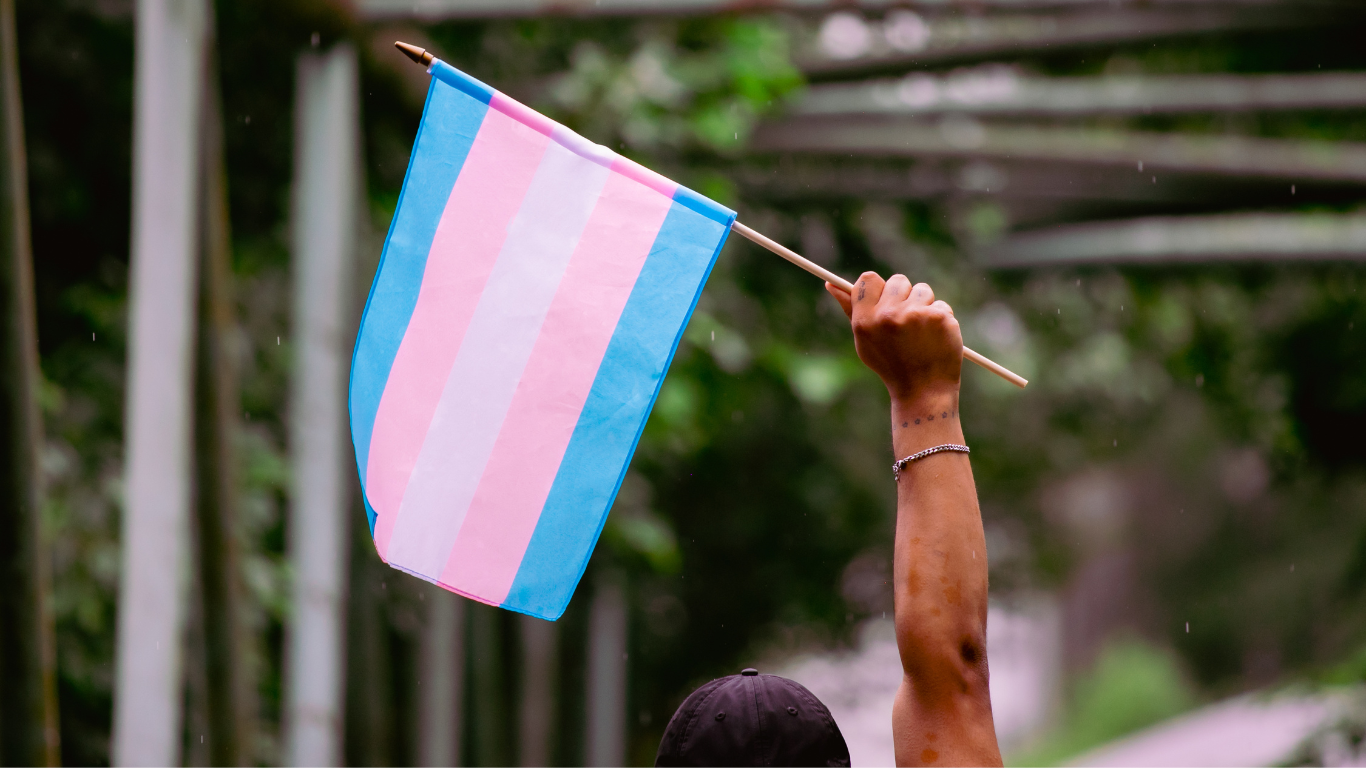
IPPF ESEAOR Condemns Violence Against Transgender People and Sex Workers, Urges Immediate Action to Protect Human Rights in Fiji

Suva/Kuala Lumpur, 16 April 2024 - The International Planned Parenthood Federation East, Southeast Asia, and Oceania Region (IPPF ESEAOR) strongly condemns the violent attack on Esther, a 19-year-old transgender woman and sex worker in Fiji. Eyewitnesses report that Esther endured torture and verbal abuse after being forcibly taken from her home in Lautoka by a group of men and women. This appalling incident resulted in severe internal injuries, allegedly leading to her tragic death. IPPF ESEAOR is gravely concerned by this heinous act, a blatant violation of fundamental human rights — especially the right to life and dignity, freedom of expression, protection from discrimination, and access to fair legal processes and health services. This underscores the critical need for enhanced protection for transgender individuals and sex workers, who are often subjected to pervasive systemic discrimination and stigma. Political and systemic structures impose multiple forms of discrimination on sex workers. These discriminatory power structures are further intensified by factors such as homophobia, transphobia, xenophobia, racism, and classism. Additionally, entrenched gender and social structures hinder the ability of sex workers and the LGBTIQ+ community to fully exercise their human rights. In Fiji, transgender people, particularly transgender sex workers, face high rates of sexual and gender-based violence (SGBV), physical abuse, harassment, bullying, stigma, and intimidation. Transgender women are routinely targeted by cyberbullying, with a rising trend of online hate speech. Sex workers encounter a multitude of barriers to their sexual and reproductive health and rights (SRHR). Widespread criminalisation, along with stigma and discrimination, not only infringes upon their fundamental human rights—including the right to live free from violence and the right to health—but also restricts their access to equitable sexual and reproductive health services. “We strongly condemn any form of stigma, discrimination, and violence against the LGBTIQ+ community, transgender individuals, and sex workers, and are committed to fighting stigma and discrimination, changing social norms and societal attitudes about sex work, and improving access to justice and redress,” stated Tomoko Fukuda, IPPF ESEAOR Regional Director. IPPF ESEAOR stands resolutely with the LGBTIQ+ community, human rights defenders, and allies, amplifying urgent calls for immediate measures to protect and uphold the rights and safety of transgender people and sex workers in Fiji. The safety, rights, health, and dignity of all, especially marginalised groups, must be the foremost priority, reinforcing our commitment to human rights. Notes to editors: The International Planned Parenthood Federation (IPPF) is a global healthcare provider and a leading advocate of sexual and reproductive health and rights for all. Led by a courageous and determined group of women, IPPF was founded in 1952, and today, it is a movement of 150 member associations and collaborative partners with a presence in over 146 countries. IPPF East & Southeast Asia and Oceania Region (ESEAOR), based in Kuala Lumpur, Malaysia, is one of IPPF’s six regional offices with a Sub Regional Office for the Pacific in Suva, Fiji.   For more information and media enquiries, contact: Malarvili Meganathan, Regional Communications, Voice & Media Advisor, East, Southeast Asia and Oceania Region [email protected]

Reproductive & Family Health Association of Fiji

The Reproductive and Family Health Association of Fiji (RFHAF) was inaugurated in June 1996. It has played a key role in shaping national family planning policy and in promoting sexual and reproductive health (SRH) education, particularly among young people and communities in which myths about the dangers of family planning prevail. The use of contraceptives is still believed by many to cause cancer and immature childbirth.

RFHAF has also undertaken concerted national advocacy work (with a particular emphasis on HIV and AIDS) through its involvement with the National Advisory Committee on AIDS and the country co-ordinating mechanism. As such, it played a critical role in securing the HIV Prevention and Treatment Decree which outlaws discrimination, promotes counselling, testing and reporting, assures confidentiality, and legislates on the supply of blood products.

The organization’s committed promotion of wider awareness of SRH issues is changing attitudes, and as attitudes change, uptake of services increase.

IPPF step repeat
27 November 2025

Media Release: IPPF and Includovate launch the results of a qualitative research study on sexual and reproductive health and rights in Fiji

Suva, Fiji – As the world observes the annual 16 Days of Activism against Gender-Based Violence, IPPF Sub-Regional Office for the Pacific (SROP) and Includovate Pty Ltd are launching the results of a qualitative research study on sexual and reproductive health and rights (SRHR) in Fiji at the Novotel, Queens Road, Lami Bay, Suva. The study titled “How religious, cultural, and traditional practices influence access to sexual and reproductive health and rights in Fiji” used a community-based participatory research approach to explore the factors that impact access to SRHR in Fiji. It centers the voices and experiences of youth, women, sex workers, and people with disabilities across six communities in urban, peri-urban, rural and maritime areas.  The study reveals the powerful ways in which intersecting social norms, faith teachings, and harmful gendered traditions reinforce silence, stigma, and exclusion, while also identifying pathways for positive change grounded in lived realities and experiences of emerging community champions. It provides data-driven direction for policy and programming to advance SRHR in Fiji. It also highlights the innovative strategies used by women leaders, peer educators, and allies who are creating safer spaces for SRHR education, autonomy, and advocacy. The recommendations reflect the realities of Fiji’s evolving social landscape, offering pragmatic, locally led solutions to longstanding SRHR challenges and identifying opportunities for policymakers, advocates, and donors to support and scale ongoing efforts. Key messages from the research findings include Advancing SRHR reform strengthens families, builds safer communities, and drives national economic growth. Failure to act perpetuates cycles of violence, illness, exclusion, and intergenerational poverty, leaving teenagers alone to struggle with silence, stigma, and shame. Fiji already has local champions and effective, home-grown solutions—what’s needed is greater support and sustained investment. Timely SRHR reforms will yield measurable improvements in health, social well-being, and economic prosperity. By embracing rights-based, culturally grounded SRHR policies, Fiji can position itself as a regional leader and role model. This research report was made possible by a grant from the Pacific Women Lead, and was co-funded under the IPPF Pacific Niu Vaka Phase II strategy through the Australian Department of Foreign Affairs and Trade (DFAT) and New Zealand Ministry of Foreign Affairs and Trade (MFAT). Includovate led the research with oversight from the IPPF Sub-Regional Office for the Pacific. For media enquiries or further information, please contact [email protected] 

Fijian woman smiling turned towards the camera.
27 November 2025

Research: How religious, cultural, and traditional practices influence access to sexual and reproductive health and rights in Fiji

A community-based research conducted across urban, peri-urban, rural and maritime settings, and captures the voices and experiences of youth, women, sex workers, and people with disabilities.  Key messages from the research findings include Advancing SRHR reform strengthens families, builds safer communities, and drives national economic growth. Failure to act perpetuates cycles of violence, illness, exclusion, and intergenerational poverty, leaving teenagers alone to struggle with silence, stigma, and shame. Fiji already has local champions and effective, home-grown solutions—what’s needed is greater support and sustained investment. Timely SRHR reforms will yield measurable improvements in health, social well-being, and economic prosperity. By embracing rights-based, culturally grounded SRHR policies, Fiji can position itself as a regional leader and role model.  

banner image
17 April 2024

IPPF ESEAOR Condemns Violence Against Transgender People and Sex Workers, Urges Immediate Action to Protect Human Rights in Fiji

Suva/Kuala Lumpur, 16 April 2024 - The International Planned Parenthood Federation East, Southeast Asia, and Oceania Region (IPPF ESEAOR) strongly condemns the violent attack on Esther, a 19-year-old transgender woman and sex worker in Fiji. Eyewitnesses report that Esther endured torture and verbal abuse after being forcibly taken from her home in Lautoka by a group of men and women. This appalling incident resulted in severe internal injuries, allegedly leading to her tragic death. IPPF ESEAOR is gravely concerned by this heinous act, a blatant violation of fundamental human rights — especially the right to life and dignity, freedom of expression, protection from discrimination, and access to fair legal processes and health services. This underscores the critical need for enhanced protection for transgender individuals and sex workers, who are often subjected to pervasive systemic discrimination and stigma. Political and systemic structures impose multiple forms of discrimination on sex workers. These discriminatory power structures are further intensified by factors such as homophobia, transphobia, xenophobia, racism, and classism. Additionally, entrenched gender and social structures hinder the ability of sex workers and the LGBTIQ+ community to fully exercise their human rights. In Fiji, transgender people, particularly transgender sex workers, face high rates of sexual and gender-based violence (SGBV), physical abuse, harassment, bullying, stigma, and intimidation. Transgender women are routinely targeted by cyberbullying, with a rising trend of online hate speech. Sex workers encounter a multitude of barriers to their sexual and reproductive health and rights (SRHR). Widespread criminalisation, along with stigma and discrimination, not only infringes upon their fundamental human rights—including the right to live free from violence and the right to health—but also restricts their access to equitable sexual and reproductive health services. “We strongly condemn any form of stigma, discrimination, and violence against the LGBTIQ+ community, transgender individuals, and sex workers, and are committed to fighting stigma and discrimination, changing social norms and societal attitudes about sex work, and improving access to justice and redress,” stated Tomoko Fukuda, IPPF ESEAOR Regional Director. IPPF ESEAOR stands resolutely with the LGBTIQ+ community, human rights defenders, and allies, amplifying urgent calls for immediate measures to protect and uphold the rights and safety of transgender people and sex workers in Fiji. The safety, rights, health, and dignity of all, especially marginalised groups, must be the foremost priority, reinforcing our commitment to human rights. Notes to editors: The International Planned Parenthood Federation (IPPF) is a global healthcare provider and a leading advocate of sexual and reproductive health and rights for all. Led by a courageous and determined group of women, IPPF was founded in 1952, and today, it is a movement of 150 member associations and collaborative partners with a presence in over 146 countries. IPPF East & Southeast Asia and Oceania Region (ESEAOR), based in Kuala Lumpur, Malaysia, is one of IPPF’s six regional offices with a Sub Regional Office for the Pacific in Suva, Fiji.   For more information and media enquiries, contact: Malarvili Meganathan, Regional Communications, Voice & Media Advisor, East, Southeast Asia and Oceania Region [email protected]

Reproductive & Family Health Association of Fiji

The Reproductive and Family Health Association of Fiji (RFHAF) was inaugurated in June 1996. It has played a key role in shaping national family planning policy and in promoting sexual and reproductive health (SRH) education, particularly among young people and communities in which myths about the dangers of family planning prevail. The use of contraceptives is still believed by many to cause cancer and immature childbirth.

RFHAF has also undertaken concerted national advocacy work (with a particular emphasis on HIV and AIDS) through its involvement with the National Advisory Committee on AIDS and the country co-ordinating mechanism. As such, it played a critical role in securing the HIV Prevention and Treatment Decree which outlaws discrimination, promotes counselling, testing and reporting, assures confidentiality, and legislates on the supply of blood products.

The organization’s committed promotion of wider awareness of SRH issues is changing attitudes, and as attitudes change, uptake of services increase.